Get Tree Branch Cutting
Tree branch cutting services help property owners remove hazardous, overgrown, or unwanted branches to improve safety, prevent property damage, and maintain landscape appearance.
Property owners considering tree branch cutting often do so to improve safety, enhance the appearance of their landscape, or promote healthier growth. Managing overgrown or damaged branches can prevent potential hazards, such as falling limbs or property damage, especially during storms. Additionally, trimming can help maintain the overall health of trees, encouraging robust growth and preventing disease. For those planning landscaping projects or preparing a property for seasonal changes, connecting with experienced local contractors can ensure the work is done effectively and safely.
Exploring options for tree branch cutting involves comparing local service providers who specialize in this type of work. Many property owners find value in consulting with professionals who understand the specific needs of trees in their area and can recommend appropriate trimming techniques. Whether for routine maintenance or addressing specific concerns, reviewing local contractors can help identify the best fit for a property’s unique requirements. Keep reading to learn how to connect with trusted local experts ready to assist with tree branch cutting projects.
- Tree branch removal - needed when overgrown or damaged branches pose a risk to property or safety.
- Pruning and shaping - required to maintain tree health and aesthetic appearance.
- Emergency branch clearing - necessary after storms or severe weather events cause hazardous limb falls.
- Deadwood removal - important to prevent decay and improve tree vitality.
- Selective thinning - used to reduce tree density and improve air circulation.
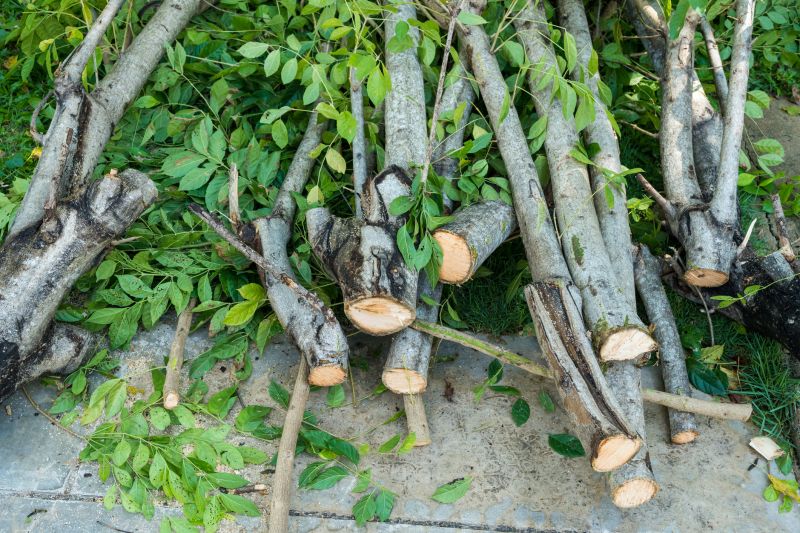
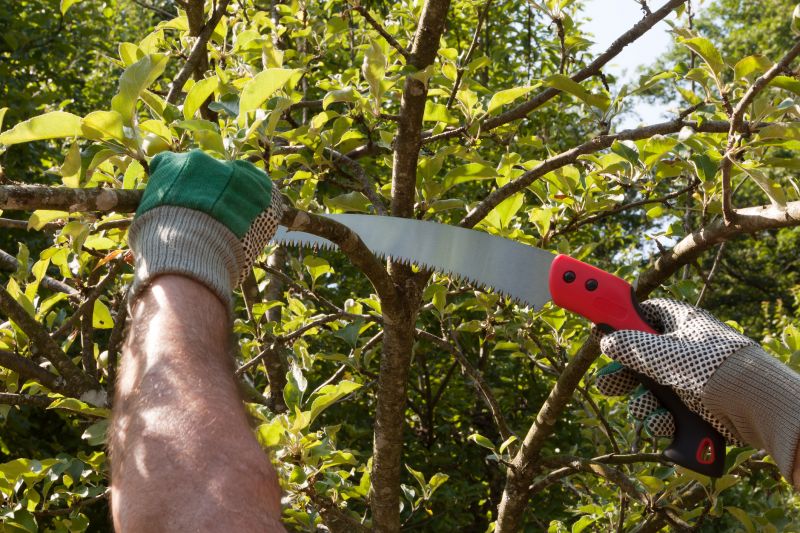
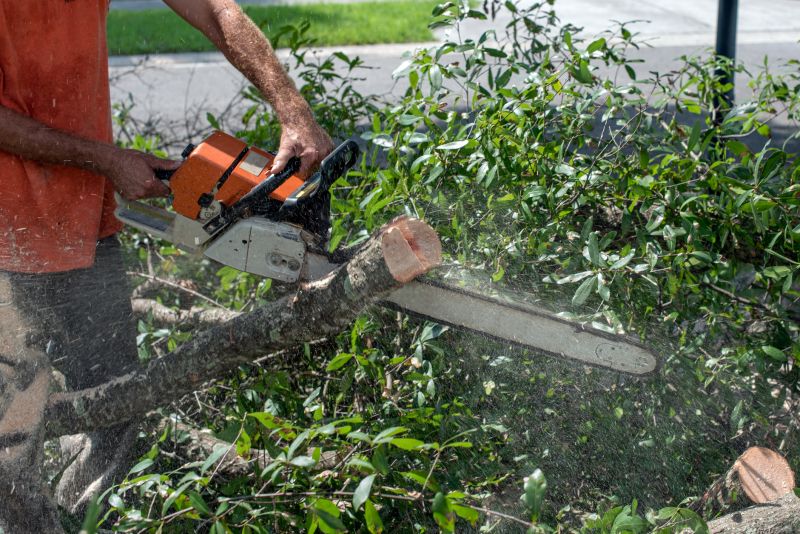
Tree branch cutting services involve trimming and removing overgrown or hazardous branches from trees on residential or commercial properties. This work typically includes pruning dead or diseased limbs, reducing the size of heavy branches, and shaping trees for better health and appearance. Proper branch cutting helps maintain the structural integrity of trees, preventing potential damage caused by falling limbs during storms or high winds. Skilled service providers use appropriate tools and techniques to ensure the work is done safely and effectively, promoting the overall health of the tree while minimizing risk to property and people.
Overgrown or damaged branches can pose serious problems if left unaddressed. Heavy, weak, or diseased limbs are more likely to break and fall unexpectedly, which can cause damage to roofs, vehicles, power lines, or even injure people nearby. Additionally, excess branches can block sunlight, hinder views, and lead to the buildup of pests or disease within the tree. Tree branch cutting services help resolve these issues by removing problematic limbs, improving safety around the property, and supporting the long-term health of the trees.
This type of service is commonly used on a variety of property types, including single-family homes, apartment complexes, commercial buildings, and public parks. Homeowners often seek branch trimming to keep their yards safe and visually appealing, especially if trees are located near walkways, driveways, or structures. Property managers and business owners also rely on these services to maintain a professional appearance and reduce liability risks associated with falling branches. Regardless of the property size, professional contractors can tailor their approach to meet the specific needs of each site.
Homeowners and property owners should consider tree branch cutting services when they notice overgrown, broken, or diseased branches that could pose safety hazards or affect the health of the tree. Regular trimming can prevent potential damage from storms, improve the aesthetics of the landscape, and promote healthier growth. When in doubt, contacting local contractors who specialize in tree care can provide expert advice and assistance to determine if branch removal is necessary. Connecting with experienced service providers ensures that the work is handled safely, efficiently, and to the appropriate standards for the property.
The overview below groups typical Tree Branch Cutting projects into broad ranges so you can see how smaller, mid-sized, and larger jobs often compare in your area.
In many markets, a large share of routine jobs stays in the lower and middle ranges, while only a smaller percentage of projects moves into the highest bands when the work is more complex or site conditions are harder than average.
Smaller Branches - Local contractors typically charge between $150 and $400 for trimming or pruning smaller branches on individual trees. Many routine jobs fall within this range, especially for maintenance or light pruning. Larger, more complex projects can exceed this range depending on the number of trees and branch density.
Medium-Sized Trees - Costs for cutting branches on medium-sized trees generally range from $250 to $600. This is a common price band for standard tree branch removal, with many projects falling here. More extensive or difficult access jobs may push costs higher.
Larger or Multiple Trees - For larger trees or multiple trees requiring branch removal, prices often range from $600 to $1,500. Many service providers handle these projects within this band, but highly complex or hazardous jobs can cost more.
Full Tree Removal or Heavy Pruning - Complete removal or extensive pruning of large trees can cost $2,000 or more, with some complex projects reaching $5,000+. These higher costs are less common but are typical for large-scale or highly intricate jobs requiring specialized equipment and safety measures.
Actual totals will depend on details like access to the work area, the scope of the project, and the materials selected, so use these as general starting points rather than exact figures.
Tree Trimming - professionals use similar pruning techniques and tools to shape trees and maintain their health, often overlapping with branch cutting projects.
Hedge Trimming - involves precise cutting and shaping skills that are applicable to managing overgrown branches and ensuring aesthetic appeal.
Storm Damage Cleanup - requires removal of broken or fallen branches, utilizing similar equipment and planning to ensure safety and efficiency.
Stump Grinding - involves excavation and removal of tree remnants, often requiring careful planning and the use of specialized tools akin to branch cutting.
Tree Removal - encompasses the complete removal of trees, including cutting large branches and sections, requiring similar techniques and safety measures.
Land Clearing - involves removing multiple trees, brush, and branches to prepare land for development, utilizing skills in cutting and debris management comparable to branch trimming.
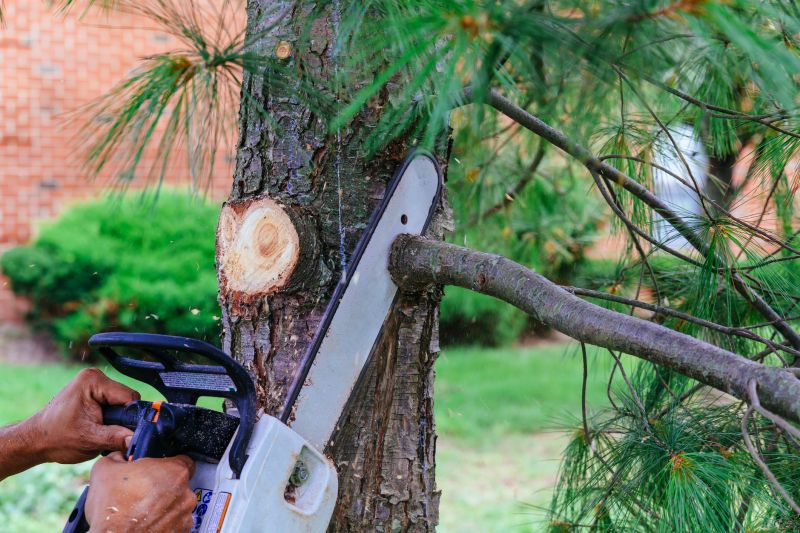
When evaluating local contractors for tree branch cutting services, it’s important to consider their experience with similar projects. Homeowners should look for service providers who have a proven track record of handling tree trimming or pruning tasks comparable to the scope of their own needs. An experienced professional will be familiar with different tree species, branch structures, and potential challenges, which can contribute to a more efficient and effective service. Asking about the types of projects they’ve completed can help gauge their familiarity with the work required and ensure they have the practical know-how to handle the job safely and properly.
Clear written expectations are essential to a successful service experience. Homeowners should seek providers who can offer detailed descriptions of the work to be performed, including the scope of the branch cutting, the methods used, and any post-service cleanup. Having this information in writing helps prevent misunderstandings and ensures everyone is on the same page regarding the project’s outcomes. When comparing options, it’s helpful to review any provided estimates or written statements to confirm that the scope aligns with the homeowner’s needs and expectations.
Reputable references and good communication are key indicators of reliable service providers. Homeowners are encouraged to ask local pros for references or examples of past work to verify their professionalism and quality of service. Additionally, responsive and clear communication during the inquiry process can provide insight into how well a contractor understands the project and how easy they are to work with. Service providers who prioritize transparent communication and have positive references are more likely to deliver a satisfactory experience, making them a solid choice for handling tree branch cutting tasks.
Property owners use Tree Branch Cutting services for practical projects around their homes and businesses. This guide focuses on everyday jobs and straightforward project options.
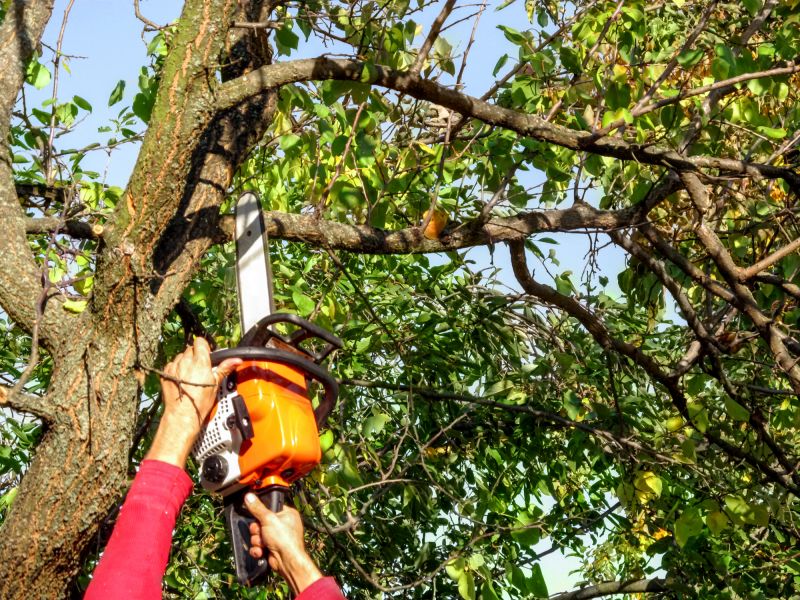
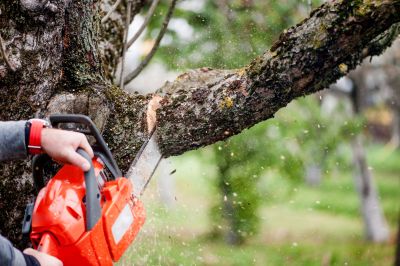
Tree branch cutting services are often needed for routine maintenance, especially when overgrown or damaged limbs pose a risk to property or safety. Homeowners may seek these services to prevent potential damage to roofs, gutters, or power lines, or simply to improve the overall appearance of their yard. Local contractors can handle a variety of situations, whether it's trimming for aesthetic reasons, removing dead or hazardous branches, or shaping trees to promote healthy growth.
In addition, property owners might look for tree branch cutting when preparing for seasonal changes or after storms have caused branches to break. Clearing away fallen or weakened limbs helps reduce the risk of injury or property damage. Local service providers are available to assess trees and perform the necessary trimming or removal to keep properties safe and well-maintained.
What is tree branch cutting? Tree branch cutting involves trimming or removing specific branches to improve tree health, safety, or appearance, typically performed by experienced contractors.
Why should I consider professional tree branch cutting? Professionals can safely and effectively prune branches to prevent hazards, promote healthy growth, and enhance the overall look of trees.
How do local contractors determine which branches to cut? They assess the tree’s structure, health, and safety considerations to identify branches that need removal or trimming.
Is tree branch cutting necessary for all trees? Not all trees require branch cutting, but regular pruning can benefit many by reducing risks and supporting healthy development.
How can I find local pros for tree branch cutting? You can compare and connect with local service providers through reputable lead generation platforms that list experienced contractors in your area.
Tree Branch Removal - Property owners can clear overhanging branches that pose safety risks or interfere with outdoor activities.
Pruning for Health - Regular branch trimming helps maintain tree health and prevent potential damage during storms.
Landscape Enhancement - Trimming and shaping tree branches can improve the overall appearance of a yard or garden.
Storm Preparedness - Removing weak or damaged branches reduces the risk of falling debris during severe weather conditions.
If you are thinking about Tree Branch Cutting for a property, this guide is meant to help you understand the work, the typical project types, and how different options might fit your plans.
When you are ready, you can use the quote form on this page to share a few details about your project. From there, local pros can review the basics and respond with options that match what you have in mind.